- July 14, 2026
- admin
Gym Cleaning Tips: How to Keep Your Fitness Center Safe & Hygienic
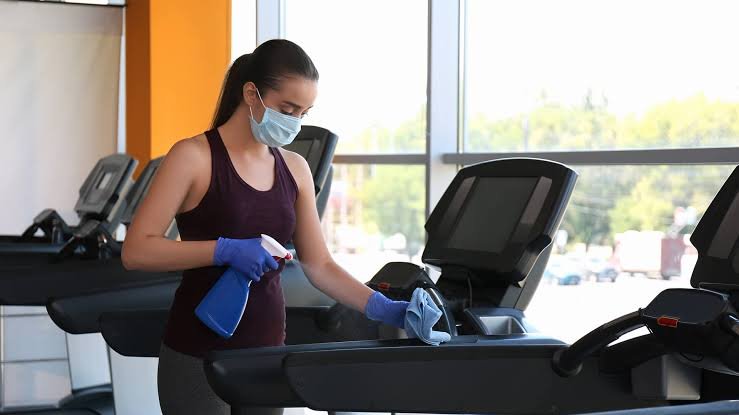
For gym owners, cleanliness isn’t just a nice-to-have — it’s one of the biggest factors members consider when deciding whether to stay or leave. A gym is a shared space where dozens (sometimes hundreds) of people touch the same equipment, sweat on the same mats, and use the same locker rooms every single day. Without a consistent cleaning routine, that shared environment can quickly become a breeding ground for bacteria, unpleasant odors, and member complaints.
In this blog, we’ll walk through practical gym cleaning tips covering equipment sanitization, workout area maintenance, and how to build a hygiene-first culture that keeps members coming back.
Why Gym Hygiene Matters More Than You Think
A clean gym isn’t just about appearances — it directly affects member health, satisfaction, and retention. Studies have consistently shown that shared gym equipment, like handles and grips, can carry significantly more bacteria than everyday household surfaces, simply due to constant sweat and skin contact throughout the day.
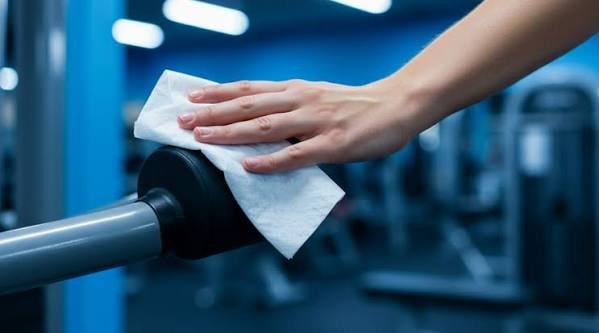
Poor gym hygiene can lead to:
⦁ Increased risk of skin infections and illness among members
⦁ Unpleasant odors that drive members away
⦁ Negative reviews and damaged reputation
⦁ Lower member retention and referrals
On the other hand, a visibly clean, well-maintained gym builds trust and signals that your business genuinely cares about member wellbeing — which directly supports long-term loyalty.
Disinfecting Gym Equipment: Best Practices
Gym equipment is one of the highest-risk areas in any fitness facility. Machines, free weights, and mats are touched by dozens of people daily, making them prime spots for bacteria buildup if not cleaned regularly.
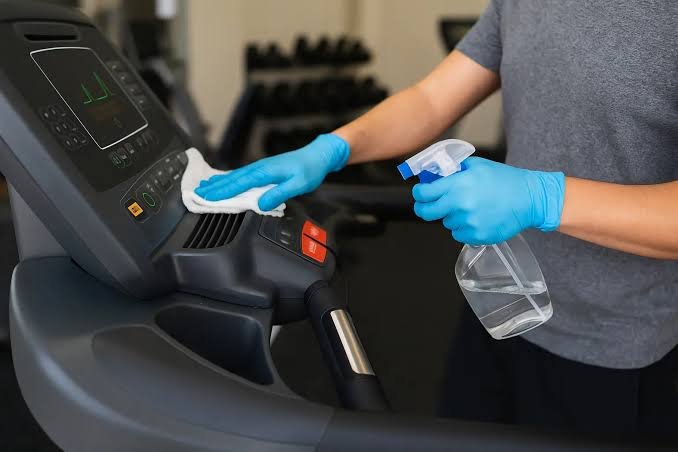
Here’s how to keep equipment properly disinfected:
⦁ Focus on high-touch points — Handles, grips, touchscreens, and adjustment levers should be disinfected multiple times throughout the day, especially during peak hours.
⦁ Encourage a wipe-down culture — Provide accessible disinfectant wipe stations throughout the gym and encourage members to wipe equipment before and after use.
⦁ Use appropriate disinfectants — Choose products effective against bacteria and viruses, but safe for use on plastic, metal, and upholstered surfaces to avoid equipment damage over time.
⦁ Schedule deep cleaning during off-peak hours — Set aside time for a more thorough clean of all machines and weights without disrupting members’ workouts.
Cleaning Locker Rooms & Restrooms
Locker rooms and restrooms are consistently ranked among the top areas members judge when evaluating gym cleanliness — and for good reason. These spaces combine moisture, high foot traffic, and shared surfaces, making them especially prone to mold, odor buildup, and bacteria.
Key focus areas for locker room and restroom cleaning:
⦁ Showers and shower floors (prone to mold and mildew)
⦁ Sinks, countertops, and mirrors
⦁ Toilets and restroom fixtures
⦁ Locker handles and benches
⦁ Floor mats and drains
Daily cleaning combined with a scheduled deep clean helps prevent odor buildup and keeps these high-moisture areas genuinely hygienic — not just surface-level clean.
Maintaining a Hygiene-First Culture
Beyond routine cleaning, the way your gym approaches hygiene as a culture makes a lasting impression on members. A gym that visibly prioritizes cleanliness builds trust, while one that doesn’t often loses members quietly, without ever hearing direct complaints.
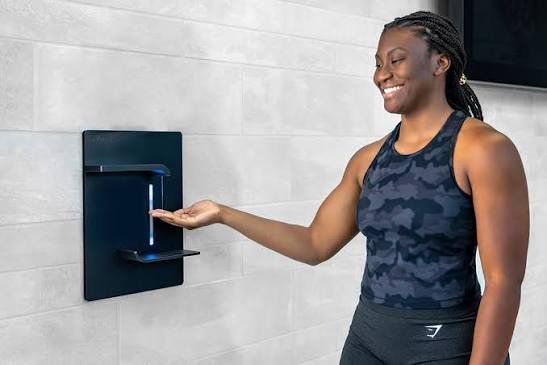
Ways to build a hygiene-first culture:
⦁ Install sanitizing stations at entrances, exits, and throughout the workout floor
⦁ Train staff on hygiene protocols and proper disinfection techniques
⦁ Use clear signage reminding members to wipe down equipment after use
⦁ Encourage personal gear like towels and mats to reduce shared surface contact
⦁ Display cleaning schedules so members can see that hygiene is taken seriously and consistently maintained
Conclusion
A clean, well-maintained gym isn’t just about avoiding complaints — it’s a direct reflection of how much your business values its members’ health and experience. From equipment sanitization to locker room upkeep, consistent cleaning builds the kind of trust that keeps members renewing their memberships and recommending your gym to others.
At Bay Elite Facility Solutions, we specialize in gym and fitness center cleaning designed to keep your facility safe, fresh, and welcoming for every member, every day. Reach out for a free consultation and custom quote tailored to your gym’s needs.
FAQ
1. How often should gym equipment be disinfected?
High-touch equipment should be disinfected multiple times a day, especially during peak hours, to reduce bacteria buildup between uses.
2. What areas in a gym collect the most germs?
Common hotspots include equipment handles, locker rooms, restrooms, and group workout areas due to frequent shared contact.
3. Is it worth hiring a professional gym cleaning service?
Yes — professional cleaners use commercial-grade disinfectants and follow structured cleaning schedules that are difficult to maintain consistently with in-house staff alone.
4. How can gym members help maintain cleanliness?
Encouraging members to wipe down equipment, use sanitizing stations, and bring personal towels or mats significantly reduces shared surface contact.
5. Why does gym cleanliness affect member retention?
Cleanliness is one of the top factors members consider when deciding whether to renew their membership — a visibly clean gym builds trust and long-term loyalty.