
- July 11, 2026
- admin
Why a Clean Office Boosts Employee Productivity
Most business owners think of office cleaning as a cosmetic concern — something you do to look presentable for clients and visitors. But the truth is, workplace cleanliness has a direct, measurable impact on how your employees feel, how often they get sick, and how productive they are day to day. A cluttered desk, a dusty conference room, or a neglected restroom might seem like small issues, but over time, they quietly chip away at morale, focus, and even your bottom line.
In this blog, we’ll break down exactly how a clean office impacts productivity, the areas businesses often overlook, and why investing in professional cleaning is one of the simplest ways to protect both your team and your business.
The Connection Between Office Cleanliness and Employee Health
A clean office isn’t just about appearances — it plays a major role in keeping your team healthy. Shared spaces like desks, keyboards, breakrooms, and door handles are constantly touched throughout the day, making them easy places for germs to spread from one employee to another.
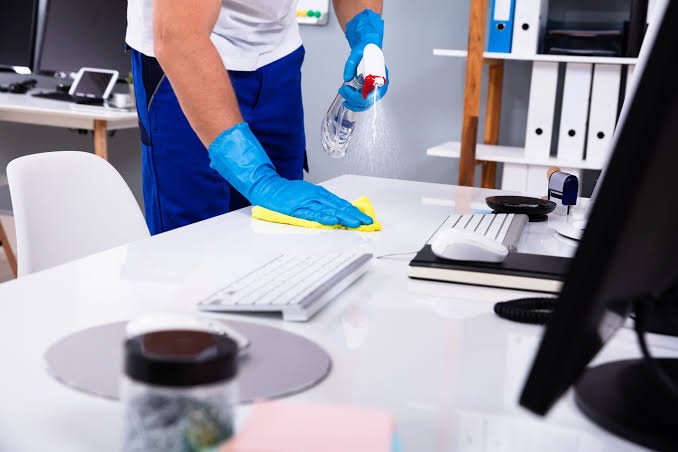
Here’s how office cleanliness directly affects employee health:
⦁ Reduced spread of illness — Regular disinfection of high-touch surfaces helps limit the spread of colds, flu, and other common workplace illnesses.
⦁ Fewer sick days — Offices with poor cleaning routines tend to see more employees calling in sick, which directly impacts productivity and team output.
⦁ Better air quality — Dust buildup, poor ventilation, and unclean carpets can contribute to allergies and respiratory discomfort, especially in enclosed office environments.
⦁ Lower stress levels — A cluttered, dirty workspace can subtly increase stress and mental fatigue, even if employees don’t consciously notice it.
Clean Offices Create Better First Impressions
Beyond employee wellbeing, a clean office shapes how clients, partners, and job candidates perceive your business the moment they walk through the door. First impressions form fast — often within seconds — and a spotless, organized office signals professionalism, attention to detail, and reliability before a single word is spoken.
On the other hand, a messy reception area, dusty furniture, or an unpleasant-smelling restroom can quietly undermine trust, even if your actual product or service is excellent.
High-Touch Areas Offices Often Overlook
Many businesses focus daily cleaning efforts on visible areas like floors and desks, but some of the highest-risk zones for germs are often missed entirely.
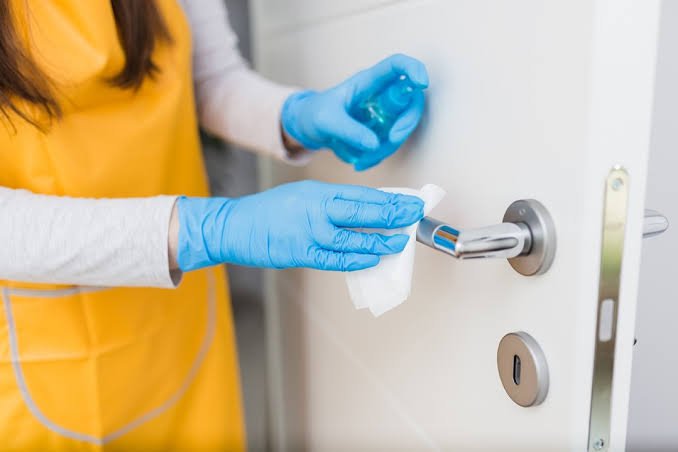
Commonly overlooked high-touch areas include:
⦁ Door handles and light switches
⦁ Shared office equipment (printers, copiers, phones)
⦁ Conference room tables and chairs
⦁ Elevator buttons and stair railings
⦁ Break room appliances (microwave, refrigerator handles, coffee machines)
⦁ Reception area surfaces and seating
Without a consistent cleaning schedule, these areas can accumulate bacteria far faster than more “obvious” spaces like restrooms, simply because they’re touched by nearly everyone in the building, multiple times a day.
How Professional Cleaning Makes a Measurable Difference
While in-house tidying can handle the basics, professional cleaning services bring a level of consistency, expertise, and equipment that’s difficult to replicate internally. Professional cleaners are trained to identify problem areas, use commercial-grade disinfectants safely, and follow cleaning schedules that keep your office consistently fresh — not just clean right before a client visit.
Professional office cleaning typically includes:
⦁ Thorough sanitization of workspaces, restrooms, and common areas
⦁ Floor and carpet care tailored to your office’s specific surfaces
⦁ Trash removal and waste management
⦁ Conference room and reception area upkeep
⦁ Flexible scheduling that works around your business hours, minimizing disruption
This consistency is what makes the biggest difference — a one-time deep clean helps, but it’s the ongoing, scheduled maintenance that keeps illness-related absences down and morale up over the long run.
Conclusion
A clean office is far more than a nice-to-have — it’s a quiet but powerful factor in employee health, morale, productivity, and how your business is perceived by everyone who walks through your doors. Investing in regular, professional office cleaning isn’t just about appearances; it’s about protecting your team’s wellbeing and your company’s reputation at the same time.
At Bay Elite Facility Solutions, we help Bay Area businesses maintain clean, healthy, and professional workspaces with flexible scheduling built around your operating hours. If your office is overdue for a deeper clean, we’re happy to provide a free consultation and custom quote.
FAQ
1. How often should a commercial office be professionally cleaned?
This depends on foot traffic and office size, but most businesses benefit from cleaning at least a few times a week, with daily attention to high-touch areas and restrooms.
2. Does office cleanliness really affect productivity?
Yes — cleaner workspaces are linked to fewer sick days, reduced stress, and improved focus, all of which contribute to better overall productivity.
3. What areas of an office collect the most germs?
Shared surfaces like keyboards, door handles, breakroom appliances, and conference room tables tend to harbor the most bacteria due to frequent contact.
4. Is professional cleaning worth it for small offices?
Yes — even small offices benefit from professional cleaning, as it ensures consistency and frees up staff time that would otherwise go toward cleaning tasks.
5. Can office cleaning schedules be customized?
Absolutely. Professional cleaning services like Bay Elite offer flexible scheduling designed around your business hours to minimize disruption to your team.