- July 15, 2026
- admin
Industrial Facility Cleaning: Why Regular Maintenance Prevents Costly Downtime
Industrial facilities operate under a different set of demands than a typical office or retail space. Heavy machinery, constant foot traffic, dust accumulation, and large open floor plans all create unique cleaning challenges — and when those challenges go unaddressed, the consequences go far beyond appearances. Neglected industrial spaces can lead to safety hazards, equipment damage, and unexpected downtime that directly impacts your bottom line.
In this blog, we’ll break down why regular industrial facility cleaning matters, the areas most often overlooked, and how a consistent maintenance routine helps protect both your workforce and your equipment.
The Hidden Risks of Neglected Industrial Spaces
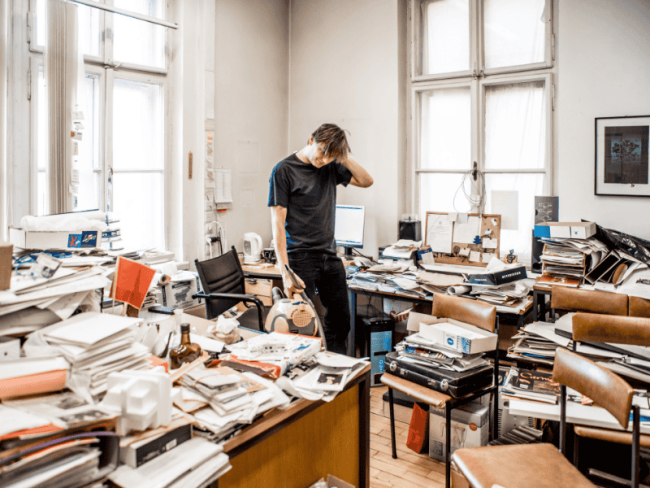
Unlike a dusty office desk, neglected cleanliness in an industrial setting can create real safety and operational risks. Dust, debris, and spills that go unaddressed don’t just look bad — they actively increase the chances of workplace accidents and equipment malfunction over time.
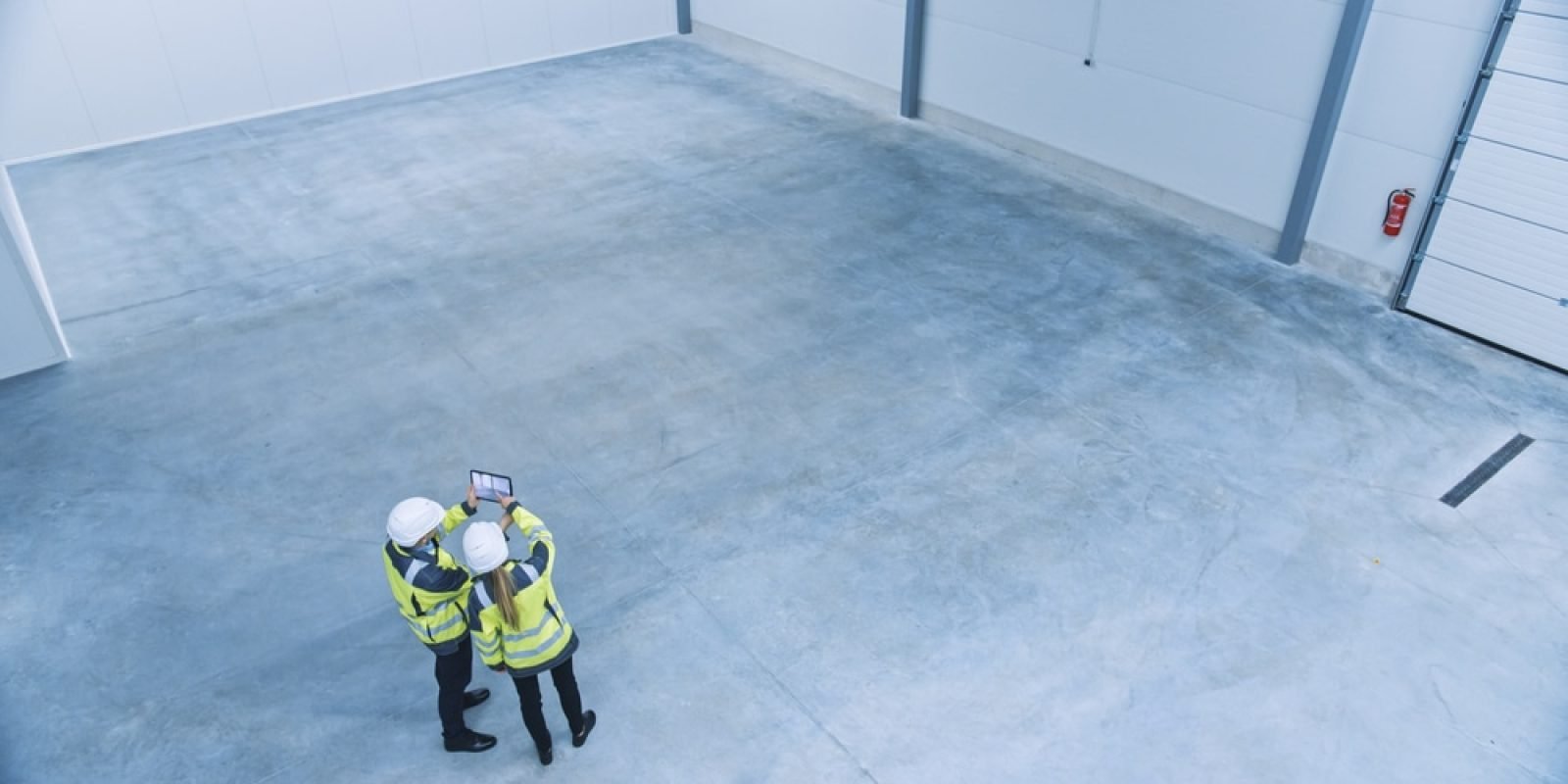
Risks of poor industrial facility maintenance include:
⦁ Slip and fall hazards from spills, dust buildup, or cluttered walkways
⦁ Fire hazards from accumulated dust or debris near machinery
⦁ Increased equipment wear caused by dust and grime infiltrating moving parts
⦁ Poor air quality affecting worker health in enclosed industrial spaces
⦁ Compliance issues if facilities fall short of workplace safety standards
These risks tend to build up gradually, which is exactly why many facility managers underestimate them — until a preventable incident or breakdown forces the issue.
Equipment & Machinery Cleaning: Why It Matters
Industrial machinery represents a significant investment, and dust, debris, and residue buildup can quietly shorten its lifespan. Cleaning isn’t just about hygiene here — it’s a form of preventative maintenance that protects the equipment your operations depend on.
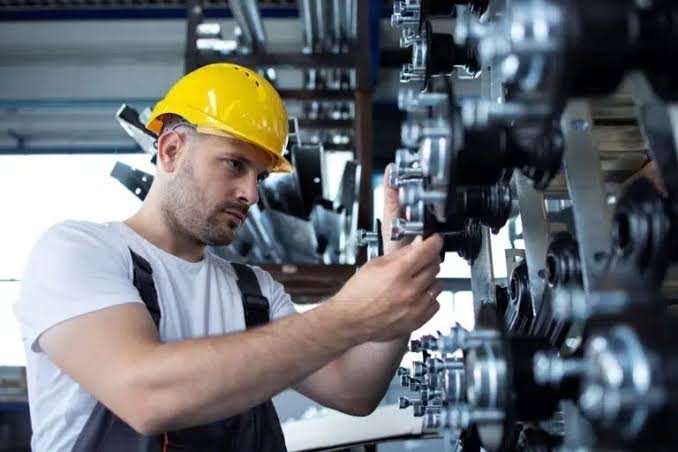
Benefits of regular equipment cleaning:
⦁ Reduced mechanical failure — Dust and debris buildup can interfere with moving parts, sensors, and ventilation systems, leading to premature breakdowns.
⦁ Improved efficiency — Clean machinery tends to run more smoothly, reducing strain and energy consumption.
⦁ Extended equipment lifespan — Regular maintenance cleaning helps protect your investment over the long term, delaying costly replacements.
⦁ Fewer unexpected repairs — Preventative cleaning reduces the likelihood of sudden, expensive equipment failures that halt production.
Workplace Safety & Compliance
Industrial facilities are often subject to specific safety and cleanliness standards, and falling short can lead to compliance issues, fines, or increased liability in the event of an accident. Beyond regulatory concerns, a clean, well-organized facility simply creates a safer day-to-day environment for your workforce.
Key areas that support safety and compliance:
⦁ Clear, debris-free walkways and emergency exits
⦁ Proper waste management and disposal practices
⦁ Regular cleaning of high-touch surfaces and shared equipment
⦁ Floor cleaning to prevent slip hazards, especially in areas prone to spills
⦁ Ventilation and air quality maintenance in enclosed work areas
A facility that prioritizes cleanliness as part of its safety strategy tends to see fewer incidents, smoother inspections, and a workforce that feels genuinely cared for.
The Benefits of Scheduled Industrial Maintenance
The most effective approach to industrial cleaning isn’t a one-time deep clean — it’s a consistent, scheduled maintenance routine tailored to your facility’s specific operations and busiest periods.
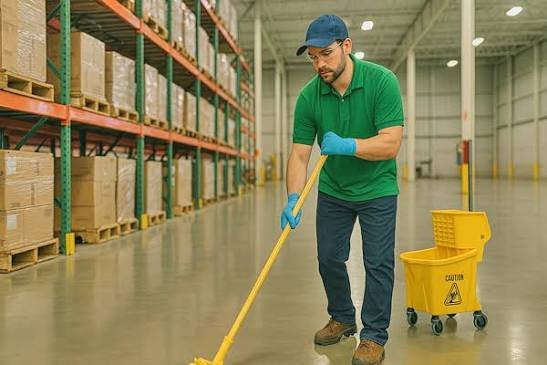
A well-structured cleaning schedule typically includes:
⦁ Regular floor cleaning and maintenance
⦁ Routine machinery and equipment cleaning
⦁ High-touch surface sanitization
⦁ Waste management and removal
⦁ Deep cleaning services scheduled during low-activity periods to minimize disruption
This kind of consistency doesn’t just keep the facility looking presentable — it becomes a genuine operational safeguard, reducing the risk of accidents, equipment failure, and unplanned downtime.
Conclusion
Industrial facility cleaning is far more than a cosmetic concern — it’s a critical part of protecting your workforce, your equipment, and your operational efficiency. Facilities that invest in regular, professional cleaning tend to experience fewer safety incidents, longer equipment lifespans, and smoother day-to-day operations overall.
At Bay Elite Facility Solutions, we provide industrial facility maintenance designed around your operational schedule, helping Bay Area businesses stay clean, safe, and productive. Reach out for a free consultation and custom quote tailored to your facility’s needs.
FAQ
1. How often should an industrial facility be professionally cleaned?
This depends on the facility’s size and activity level, but most industrial spaces benefit from a combination of daily upkeep and scheduled deep cleaning.
2. Can dust buildup really damage machinery?
Yes — dust and debris can interfere with moving parts and ventilation systems, leading to increased wear and premature equipment failure over time.
3. What are the biggest safety risks of a poorly maintained industrial facility?
Common risks include slip and fall hazards, fire hazards from dust accumulation, and blocked emergency exits or walkways.
4. Does industrial cleaning help with regulatory compliance?
Yes — regular cleaning supports workplace safety standards and can help facilities avoid compliance issues during inspections.
5. Can cleaning be scheduled around production hours?
Absolutely. Professional cleaning services like Bay Elite work around your operational schedule to minimize disruption to daily production.